
From the rich iron sands of Taranaki to the advanced manufacturing processes at New Zealand Steel, the steel industry continues to play a crucial role in shaping the country’s future.
Steel is one of the most widely used materials in the world, essential for everything from construction to manufacturing and beyond. In New Zealand, steel plays a vital role in the economy and everyday life, from the buildings and infrastructure we use to the fences that protect our properties. Understanding where New Zealand steel comes from and how it’s processed can provide insight into the quality and durability of the steel products that we rely on.
The Origins of New Zealand Steel
New Zealand's primary source of steel production comes from the New Zealand Steel Limited, a company based in Glenbrook, South Auckland. Established in 1961, New Zealand Steel is a wholly-owned subsidiary of BlueScope Steel, an Australian company. It is the only steel manufacturer in New Zealand and plays a crucial role in supplying local industries with high-quality steel products.
The steel produced here primarily comes from iron sand, a natural resource abundant in New Zealand, especially along the North Island’s west coast. The Taranaki region is home to some of the world’s richest deposits of iron sand, specifically the black sand found on beaches like those at Waikato North Head. This iron sand is rich in iron ore, and it’s from this unique material that New Zealand’s steel production begins.
The Steel Production Process
Steelmaking in New Zealand is a multi-step process that begins with mining the iron sand, followed by extracting the iron, and finally turning that iron into usable steel products.
1. Mining and Extraction
The first step in steel production involves extracting iron sand from the beaches of Taranaki. This iron sand contains a high percentage of iron, which is essential for making steel. The iron sand is collected using dredging techniques, where large machines scoop up the sand from the shore and transport it to processing facilities.
2. Smelting and Refining
Once the iron sand is mined, it is smelted to extract the iron. This process takes place in a blast furnace, where the iron sand is heated to very high temperatures, breaking it down into molten iron. The high heat also helps remove impurities such as carbon and sulfur. The refined iron is then transferred to a basic oxygen furnace, where oxygen is injected into the molten iron to further reduce impurities and convert it into steel.
This steel is still relatively raw at this point and needs further processing to make it into the various shapes and forms required by industries such as construction, manufacturing, and automotive.
3. Rolling and Forming
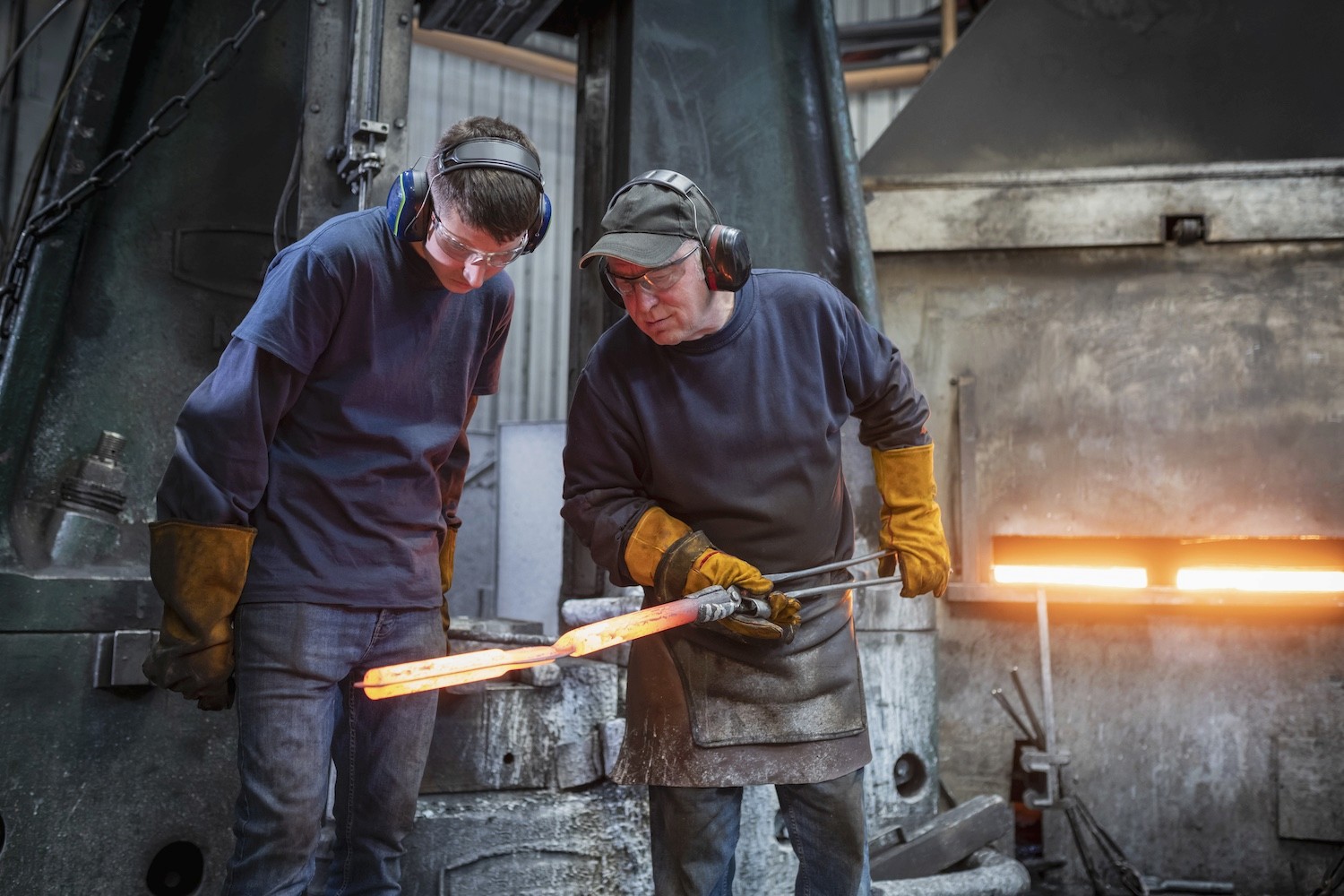
After the steel is refined, it is cast into slabs, blooms, or billets, which are large, solid pieces of steel. These are then passed through a series of rollers in a process known as hot rolling. This method involves heating the steel to temperatures of around 1,200°C, making it malleable enough to be shaped into various forms, such as sheets, plates, or coils.
The steel can be further processed into cold-rolled steel, which is cooled and then passed through rollers at room temperature to produce even finer products, such as precision parts or thinner sheets.
4. Finishing and Coating
Finally, New Zealand steel undergoes finishing processes that enhance its durability and appearance. One popular method is hot-dip galvanising, where steel is coated with a layer of zinc to prevent rust and corrosion. This is particularly important for steel products used in outdoor environments, such as fences or gates, which need to withstand New Zealand’s variable weather conditions.
Alternatively, powder coating can be applied to provide a smooth and durable finish, ideal for aesthetic applications like decorative fences and gates. This coating adds an extra layer of protection and can be customized in a variety of colours.
Why New Zealand Steel?
The quality of New Zealand steel is enhanced by its source materials and advanced manufacturing techniques. The iron sand used in production is unique to the country, offering a higher concentration of iron than traditional ore, which results in stronger, more durable steel. Additionally, the local production ensures that steel products are made to meet the specific needs of New Zealand’s industries, from construction to fencing and agriculture.
By using locally sourced iron sand and manufacturing processes tailored to New Zealand conditions, the steel produced here is well-suited to handle the demands of both commercial and residential applications.
Conclusion
Understanding where New Zealand steel comes from and how it’s processed not only highlights the importance of local resources but also underscores the commitment to producing high-quality materials that are vital to the country's infrastructure and economy. From the rich iron sands of Taranaki to the advanced manufacturing processes at New Zealand Steel, the steel industry continues to play a crucial role in shaping the country’s future. Whether it’s used in fences, buildings, or roads, New Zealand-made steel offers strength, reliability, and longevity—qualities that are essential in today’s fast-paced world.


